Understanding Silver Price Changes in Precious Metal Markets
Summary
Silver has maintained its importance as a valuable precious metal due to its investment appeal and wide industrial applications. Unlike other assets…
More On importance
- Dr. Valinda Nwadike – Shaping the Future of Comprehensive Women’s Care
- How Academic Development Shapes Expertise: Insights from Dr. Jacqueline Youtsos
- Ensuring Health Coverage: The Importance of Marketplace Enrollment
- Trust and Transparency: The Importance of Toto Fraud Verification Sites
- ) How to Make a Holiday Gift Basket on a Budget
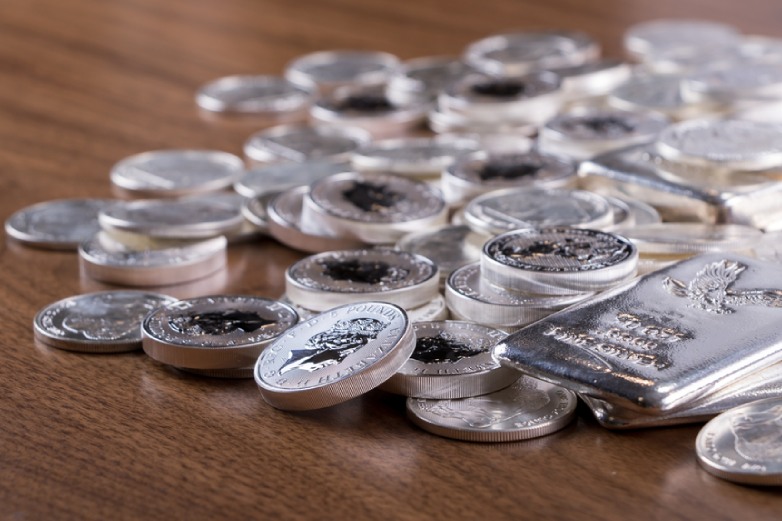
Silver has maintained its importance as a valuable precious metal due to its investment appeal and wide industrial applications. Unlike other assets influenced by limited factors, silver prices change based on global economic conditions, supply and demand, industrial requirements, mining activities, currency fluctuations, and investor behaviour. Understanding these influences helps buyers make informed decisions while exploring precious metal investments.
Monitoring the silver in Dubai price provides insights into current market trends, helping individuals compare values and understand price movements in Dubai’s growing precious metal market. This knowledge supports better planning for those interested in purchasing physical silver products.
The Importance of Silver in Global Precious Metal Markets
Silver holds a unique position in the precious metal industry because it combines investment value with practical industrial applications. While many people associate silver with jewelry and wealth preservation, its importance extends beyond traditional uses.
Silver is widely used in industries such as electronics, renewable energy, healthcare, automotive technology, and manufacturing. Its excellent electrical conductivity, durability, and reflective properties make it a valuable material for modern technological developments.
This combination of industrial and investment demand makes silver prices more dynamic compared to other precious metals. Changes in global production, technology development, and economic activity can significantly influence market movements.
Factors That Influence Silver Price Changes
Supply and Demand Balance
One of the biggest factors affecting silver prices is the relationship between supply and demand. Silver availability depends mainly on mining production, recycling activities, and existing reserves.
When mining output decreases due to production challenges or limited resources, the available supply may reduce, potentially increasing prices. Similarly, when demand rises from industries, investors, or consumers, market pressure can cause price changes.
On the other hand, increased production or reduced demand may create a downward impact on prices. Understanding this balance allows investors to evaluate why silver prices fluctuate over time.
Industrial Demand Growth
Industrial consumption plays a major role in determining silver market trends. The growing use of silver in renewable energy technologies, especially solar panels, has increased demand for this precious metal.
Electronic devices, electric vehicles, medical equipment, and advanced technologies also require silver components. As these industries expand, demand patterns can directly affect global silver prices.
The connection between industrial growth and silver consumption makes it important for investors to follow technological developments and industry trends while analyzing market conditions.
How Economic Conditions Affect Silver Markets
Economic conditions have a strong influence on precious metal investments. During periods of financial uncertainty, inflation concerns, or market instability, investors often look toward physical assets like silver as a way to diversify their portfolios.
Interest rates also affect investor decisions. When interest rates are lower, precious metals may become more attractive because they offer an alternative store of value. However, when interest rates increase, investors may shift toward other financial instruments.
Global economic performance, government policies, and market confidence all contribute to changes in silver demand and pricing.
Role of Currency Movements in Silver Valuation
Silver is traded internationally, making currency movements an important factor in price changes. Since global silver markets are generally influenced by US dollar values, fluctuations in currency exchange rates can impact purchasing costs in different countries.
For buyers in regions where currency values change frequently, silver prices may vary even when international market conditions remain stable. A stronger currency can make silver purchases more affordable, while currency depreciation may increase the overall cost.
Understanding currency trends helps buyers analyse market movements and make better purchasing decisions.
Different Ways to Invest in Physical Silver
Investors can choose from various silver products depending on their financial goals and preferences. Common options include silver coins, silver jewellery, and silver bars.
Silver coins are often preferred by collectors and individuals who want smaller investment options. Silver jewellery combines aesthetic value with precious metal ownership. Silver bars are generally selected by investors who prefer a direct form of silver ownership.
A silver bar Dubai purchase allows investors to access physical silver products available in different weights and specifications. Buyers usually consider factors such as purity level, weight, certification, and market pricing before selecting a silver bar.
Understanding Silver Purity and Product Quality
When investing in physical silver, purity is one of the most important aspects to consider. Silver products are usually measured according to their percentage of pure silver content.
High-quality silver products provide greater confidence to buyers because they offer clear information about authenticity and value. Before purchasing, investors should review product details, certification, and seller reliability.
Proper understanding of silver quality helps individuals protect their investment and ensures that purchased products maintain their market value over time.
How Buyers Can Monitor Silver Price Trends
Tracking silver market movements allows buyers to make more informed investment decisions. Several factors can help individuals understand changing market conditions, including:
Following Global Market Updates
International economic news, mining reports, and industrial developments can provide insights into possible silver price movements.
Analysing Historical Price Patterns
Reviewing past silver price trends helps investors understand market behaviour and identify long-term patterns.
Understanding Market Demand
Changes in industrial requirements, investment interest, and consumer behavior can indicate future price movements.
By analyzing these factors, buyers can avoid making decisions based only on short-term price changes and develop a better understanding of market conditions.
Conclusion
Silver price changes are influenced by various factors, including supply and demand, industrial usage, economic conditions, and currency fluctuations. Understanding these elements helps buyers evaluate market trends and make informed purchasing decisions. Monitoring the silver in Dubai price can provide useful insights for individuals looking to invest in physical silver and understand market movements.
With a commitment to quality, authenticity, and customer satisfaction, Spike Gold provides trusted precious metal solutions designed to meet the needs of investors and buyers seeking reliable products. Their platform offers a wide range of gold and silver products, including bars, coins, and bullion solutions. With a focus on quality, transparent pricing, secure transactions, and convenient purchasing options, they help customers explore precious metal investments with confidence and ease.