A Technical Look at Synthetic Urine Composition and Laboratory Evaluation
Summary
Discover what goes into synthetic urine composition and how lab evaluations define its quality.
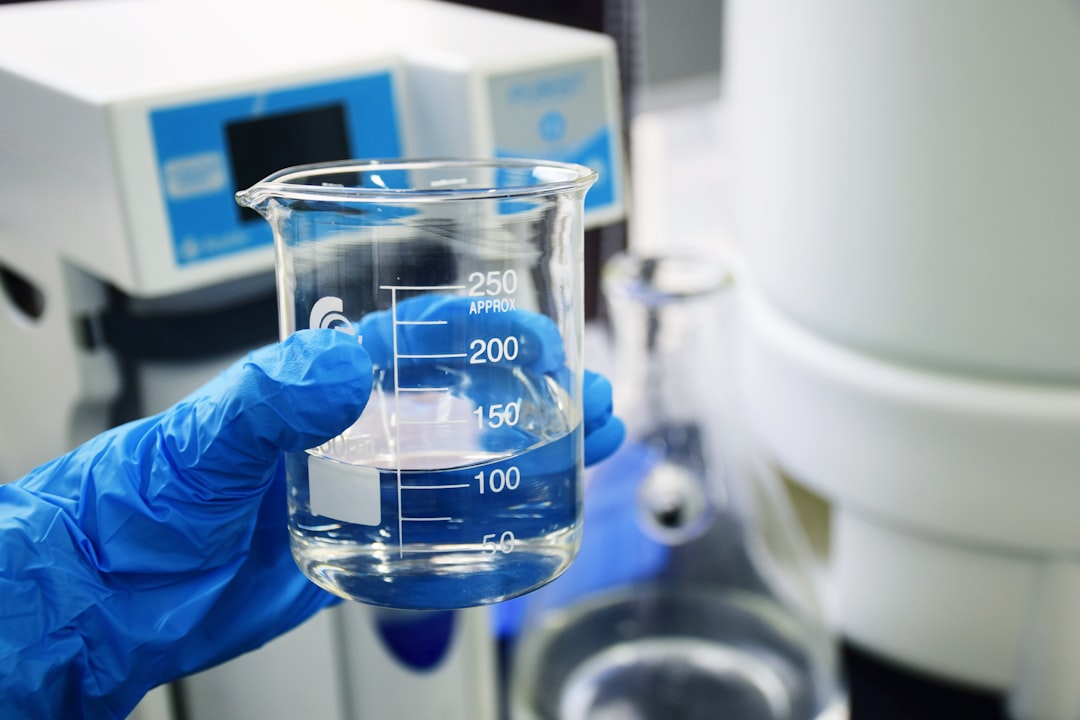
Synthetic urine is an artificially manufactured fluid developed to possess a number of physical and chemical characteristics of normal urine. The composition of any artificial urine product depends on the producer and application purposes. Thus, when researching such products, it is more reasonable to analyze their formulations and how these formulations are evaluated in laboratory settings rather than believing the marketing statements of manufacturers about the best fake pee products.
Table of Contents
- What Goes Into a Synthetic Formulation?
- Measurements Provide the Technical Picture
- Formulation Stability Is Another Consideration
- Reading Technical Claims More Critically
- Where Product Research Becomes More Useful
What Goes Into a Synthetic Formulation?
The typical composition of a synthesized sample usually consists of water, salts, urea, creatinine, and other selected compounds, which are responsible for providing desired characteristics. There might be some other compounds added into the formula in order to provide certain modifications of physical or chemical properties such as pH, density, color, and electrical conductivity. It is important since laboratories measure various characteristics, but not only compare the appearance of a liquid. Therefore, even an artificial urine specimen, which appears realistic, can be very different from the standards established by laboratory for testing.
Measurements Provide the Technical Picture
Analytical measurements of such characteristics as specific gravity, creatinine concentration, pH, and other factors are conducted in order to define the conformity of the submitted specimen to the criteria set by the laboratory for testing. Therefore, any descriptions of the most convincing artificial urine should be analyzed with a caution. Words like “realistic,” “advanced,” or “laboratory quality” do not indicate independently verified data. Therefore, buyers should distinguish between manufacturers’ marketing statements and actual technical data.
Formulation Stability Is Another Consideration
Environmental factors and conditions of storage may influence the characteristics of a prepared liquid. Thus, such factors as temperature, quality of containers, exposure to external factors, and storage period can affect the consistency of the sample. In order to perform an appropriate laboratory demonstration or educational activity, it is essential to follow manufacturer’s recommendations concerning storage and handling of a product.
Therefore, when evaluating different products, it is more valuable to analyze the factors such as formulation, application purposes, packaging, documentation, and consistency rather than appearance. It is necessary to note that laboratory procedures for different testing programs can be different.
Reading Technical Claims More Critically
Consumers can improve their research through a careful analysis of ingredients, documentation, intended usage, and provided quality control data. Technical evidence is more credible and useful than testimonies without authors and vague claims.
In cases when the readers see the phrase best fake pee on websites, they should think about the background behind such claims. The same product can be appropriate for a certain legal use but not for another, and detailed technical data is more important than general ratings.
Where Product Research Becomes More Useful
It is best to see synthetic urine as a chemical laboratory product that can be analyzed and compared with other similar products. When consumers become familiar with technical aspects of such a product including composition, stability, technical evaluation, and quality control data, they will get a better basis for their product choice.