How Corporate Events in Saudi Arabia Build Stronger Brand Impact
Summary
A business gathering can carry considerably more weight than its scheduled agenda. Conferences, executive meetings, launches, award ceremonies, and…
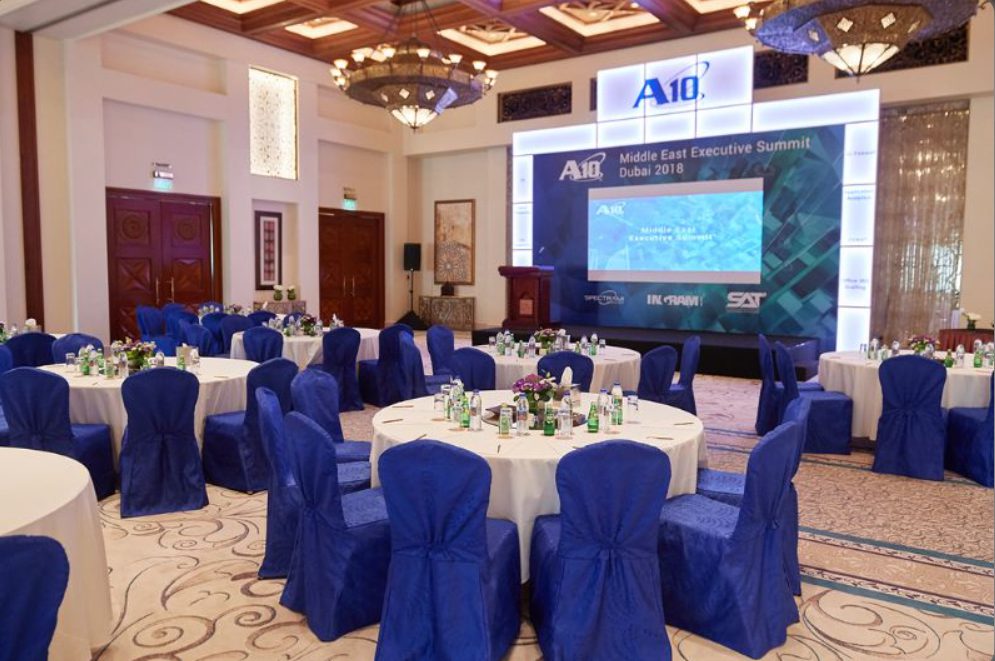
A business gathering can carry considerably more weight than its scheduled agenda. Conferences, executive meetings, launches, award ceremonies, and stakeholder programs give organizations a physical setting where their identity, priorities, and professional standards become visible to employees, partners, clients, and decision-makers.
Across Saudi Arabia, the expanding business environment has created greater scope for professionally produced gatherings that connect organizations with regional and international audiences. Effective Corporate event management brings planning, creative direction, technical production, guest experience, and brand communication together so that every component contributes to a defined commercial purpose.
Events Are Becoming Strategic Business Platforms
Saudi Arabia’s economic transformation has strengthened its position as a destination for conferences, exhibitions, corporate gatherings, and international business activity. Organizations entering or expanding within the Kingdom can use these occasions to introduce ideas, communicate strategic developments, strengthen stakeholder relationships, and create direct interaction with their target audiences.
Rather than treating an event as an isolated celebration, businesses can build it around measurable communication objectives. The program, venue arrangement, visual presentation, speaker schedule, technical setup, and attendee journey should support those objectives from arrival through departure. Early planning can focus on several practical areas:
- Purpose and intended audience of the gathering
- Guest numbers and attendee categories
- Presentation and communication requirements
- Venue layout and visitor movement
- Technical and production requirements
Designing an Experience Around the Audience
Attendees experience a business occasion as a sequence of connected moments. Registration, entrance areas, directional signage, presentation spaces, networking zones, exhibition displays, and departure points all influence how easily guests understand and navigate the environment. Planning those touchpoints together creates a more coherent experience.
Audience expectations also vary according to the format. Senior executives attending a leadership meeting require a different environment from visitors exploring an exhibition or employees participating in an internal gathering. Understanding who will attend allows organizers to make purposeful decisions about space, content, technology, branding, and interaction.
Arrival and Registration
The entrance establishes the initial impression before the formal program begins. Clearly positioned registration points, organized guest lists, directional materials, and visible branding help attendees enter efficiently. For larger gatherings, carefully designed movement routes can also prevent unnecessary congestion around reception areas.
Stage and Presentation Areas
A stage should support communication rather than compete with it. Screen dimensions, lighting, audio equipment, podium placement, seating orientation, and branded backgrounds need to complement speakers and presentations. Rehearsals can confirm that content remains visible and understandable from different positions within the venue.
Networking Environments
Business conversations often continue outside scheduled presentations. Dedicated networking spaces can give attendees comfortable locations for discussions without interrupting the primary program. Furniture placement, accessibility, signage, and proximity to key activity areas influence whether these spaces are genuinely useful during the occasion.
Exhibition Touchpoints
When exhibition stands form part of a program, their layouts should reflect the communication objective of each participating brand. Displays may support demonstrations, meetings, product information, digital content, or visitor conversations. Adequate circulation space also allows guests to explore stands without creating crowded pathways.
Brand Communication Materials
Visual consistency helps connect separate areas of a venue. Signage, printed collateral, presentation graphics, digital screens, marketing materials, and branded gifts can follow an established identity system. Coordinated execution gives attendees recognizable visual cues as they move between different parts of the program.
Virtual Participation
Some business gatherings need to accommodate people who cannot attend physically. Virtual event capabilities can extend presentations and discussions to remote participants while maintaining access to relevant content. Audio quality, camera positioning, digital presentation formats, and session transitions require preparation alongside the physical production plan.
Integrating AV Technology With Event Production
Technology influences both communication quality and atmosphere. Audiovisual solutions can support keynote presentations, panel conversations, award segments, launches, executive addresses, and multimedia content. Screens, lighting, sound systems, and supporting equipment should therefore be selected according to the venue and program rather than simply for visual impact.
Technical planning also needs to begin early enough for testing. Presentations may arrive in multiple formats, speakers can use different microphones, and lighting requirements can shift between program segments. Before guests arrive, production teams can verify essential elements such as:
- Screen visibility and presentation compatibility
- Sound coverage across attendee areas
- Microphone and speaker requirements
- Lighting cues for individual sessions
- Backup content and technical arrangements
Keeping Brand Identity Consistent Across the Venue
Physical branding becomes particularly valuable when an organization occupies a large conference, exhibition, or launch environment. Exhibition structures, stages, signs, printed materials, displays, and digital assets should appear connected rather than independently designed. That consistency helps visitors identify the organization regardless of where interaction occurs.
At the same time, branding needs to remain functional. Directional signs should prioritize clarity, stage graphics must preserve speaker visibility, while exhibition elements should encourage interaction rather than restrict movement. Effective visual communication works with the venue architecture and attendee journey instead of covering every available surface with promotional material.
Managing Live Execution Without Losing the Event Objective
Even detailed schedules can change once a program becomes live. Speakers may require additional preparation time, presentation content can be updated, attendee numbers may fluctuate, and technical adjustments might become necessary. A defined coordination structure allows teams to respond while protecting the wider program from unnecessary disruption.
Practical preparation may include:
- Shared production and program schedules
- Assigned contacts for each operational area
- Speaker and presentation checks
- Backup technical procedures
- Pre-opening venue inspections
Final Thoughts
What makes a corporate gathering valuable after the venue lights switch off? The answer is the impression, communication, and business connection it leaves behind. Organizations selecting an Event management company in Saudi can benefit from looking beyond basic logistics and considering how effectively a partner can connect production, technology, branding, exhibition requirements, and audience experience.
For businesses seeking an integrated approach, Markable operates across Saudi Arabia and provides corporate events, exhibition stands, AV solutions, virtual events, marketing materials, and POS services. By bringing these capabilities together through an end-to-end model, the company can support organizations in developing business experiences where visual identity, technical execution, and communication remain connected from concept through delivery.