Dr Ranjan Rajbanshi – Enhancing Patient Care with Advanced Dental Techniques
Summary
Advanced dental techniques refer to the use of modern methods, tools, and technologies that improve the accuracy, efficiency, and comfort of dental…
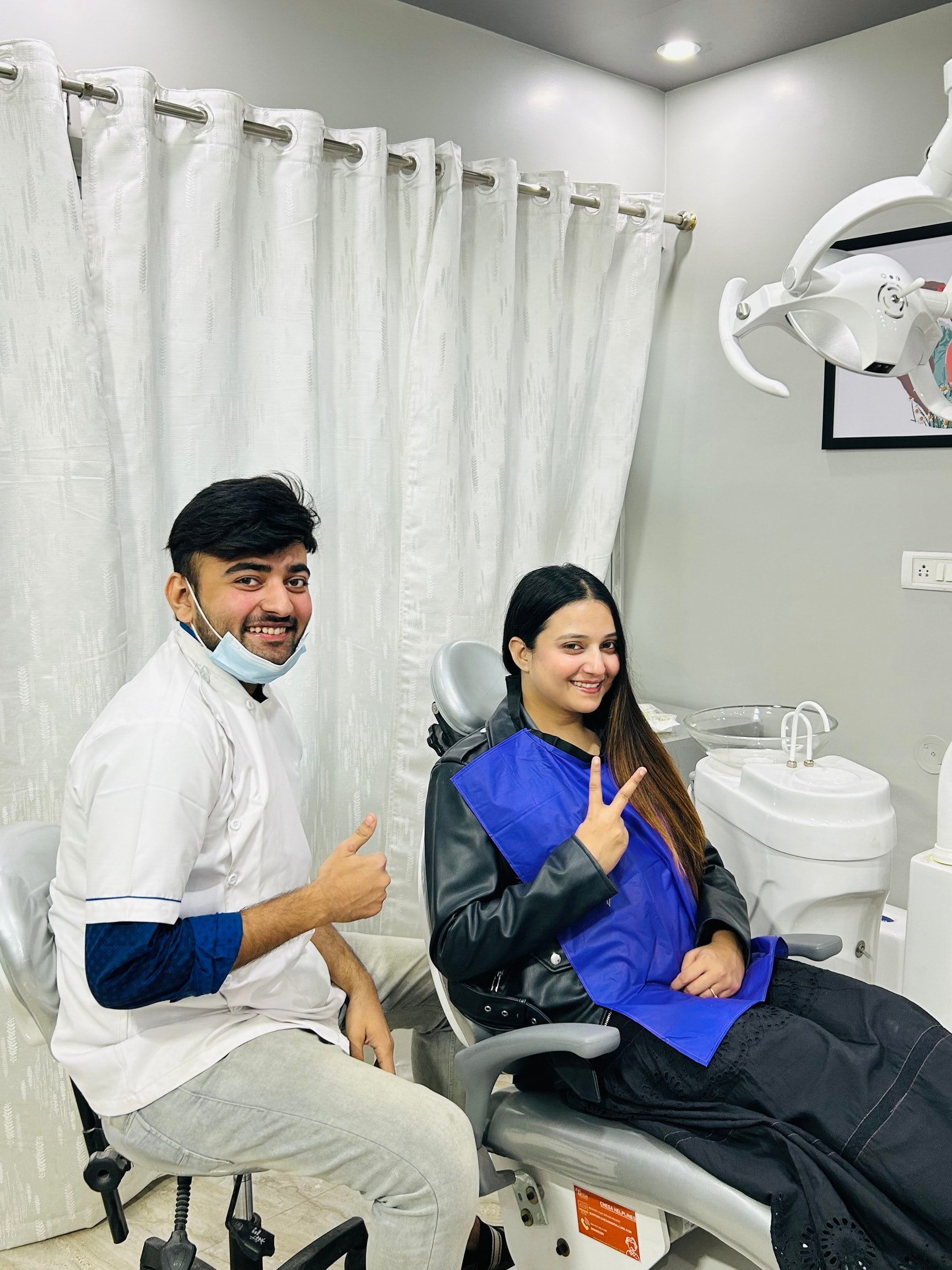
Advanced dental techniques refer to the use of modern methods, tools, and technologies that improve the accuracy, efficiency, and comfort of dental treatments. These techniques include digital imaging, minimally invasive procedures, laser applications, and computer-assisted diagnostics. They are designed to provide more precise outcomes while reducing discomfort and recovery time for patients. In this evolving landscape, Dr Ranjan Rajbanshi represents the integration of clinical expertise with advanced methodologies to deliver high-quality patient care.
Modern dentistry has shifted from traditional approaches to more technology-driven solutions. This transition allows dental professionals to diagnose issues earlier, plan treatments more effectively, and execute procedures with greater precision. As a result, patients experience improved outcomes and enhanced overall satisfaction.
How Do Advanced Techniques Improve Diagnosis?
Accurate diagnosis is the foundation of effective dental treatment. Advanced diagnostic tools such as digital X-rays, 3D imaging, and intraoral scanners provide detailed insights into oral health conditions. These technologies allow dentists to detect problems that may not be visible through conventional methods.
With clearer and more comprehensive data, dentists can develop precise treatment plans tailored to each patient’s needs. Early detection of issues such as cavities, gum disease, or structural abnormalities helps prevent complications and reduces the need for extensive procedures. This proactive approach contributes significantly to long-term oral health.
Why Are Minimally Invasive Procedures Important?
Minimally invasive procedures focus on preserving as much of the natural tooth structure as possible while effectively treating dental conditions. Techniques such as laser dentistry, micro-dentistry, and air abrasion reduce the need for extensive drilling or surgical intervention.
These methods offer several benefits, including reduced pain, faster healing, and lower risk of complications. Patients also tend to feel more comfortable and less anxious when undergoing minimally invasive treatments. By minimizing disruption to surrounding tissues, these procedures promote quicker recovery and better long-term results.
How Does Technology Enhance Patient Experience?
Technology plays a vital role in improving the overall patient experience in dental care. Digital tools enable dentists to communicate more effectively with patients by visually demonstrating treatment plans and expected outcomes. This transparency helps patients understand their conditions and make informed decisions. Additionally, modern equipment reduces treatment time and increases efficiency during procedures. Automated systems and digital workflows streamline processes, allowing for smoother appointments and fewer visits. Midway through integrating these innovations into practice, Dr Ranjan Rajbanshi highlights how combining advanced techniques with patient-focused care enhances both comfort and treatment effectiveness.
Additionally, modern equipment reduces treatment time and increases efficiency during procedures. Automated systems and digital workflows streamline processes, allowing for smoother appointments and fewer visits. Midway through integrating these innovations into practice, Dr Ranjan Rajbanshi highlights how combining advanced techniques with patient-focused care enhances both comfort and treatment effectiveness.
What Role Does Personalization Play in Treatment?
Personalization is a key aspect of advanced dental care. Each patient has unique oral health needs, medical histories, and preferences. Advanced techniques allow dentists to customize treatments based on individual conditions rather than applying generalized solutions.
Personalized treatment plans consider factors such as age, lifestyle, dental history, and specific concerns. This approach ensures that care is more targeted and effective. By tailoring procedures to individual requirements, dentists can achieve better outcomes and improve patient satisfaction.
What Is the Future of Advanced Dental Care?
The future of dental care will continue to evolve with advancements in technology and clinical practices. Emerging innovations such as artificial intelligence, digital workflows, and smart diagnostic tools will further enhance accuracy and efficiency in treatments.
As dentistry progresses, the focus will remain on improving patient comfort, reducing treatment time, and delivering predictable results. Continuous learning and adaptation will be essential for dental professionals to stay aligned with these advancements and maintain high standards of care.
The approach associated with Dr Ranjan Rajbanshi demonstrates how advanced dental techniques can be effectively used to enhance patient care. In conclusion, Dr Ranjan Rajbanshi reflects a modern dental philosophy that combines innovation, precision, and patient-centered values to deliver superior outcomes and set new benchmarks in dental practice.