Strengthening Cyber Resilience Through Industry Collaboration
Summary
Digital transformation continues to reshape organizations across every sector, bringing greater connectivity, automation, and cloud adoption. While these…
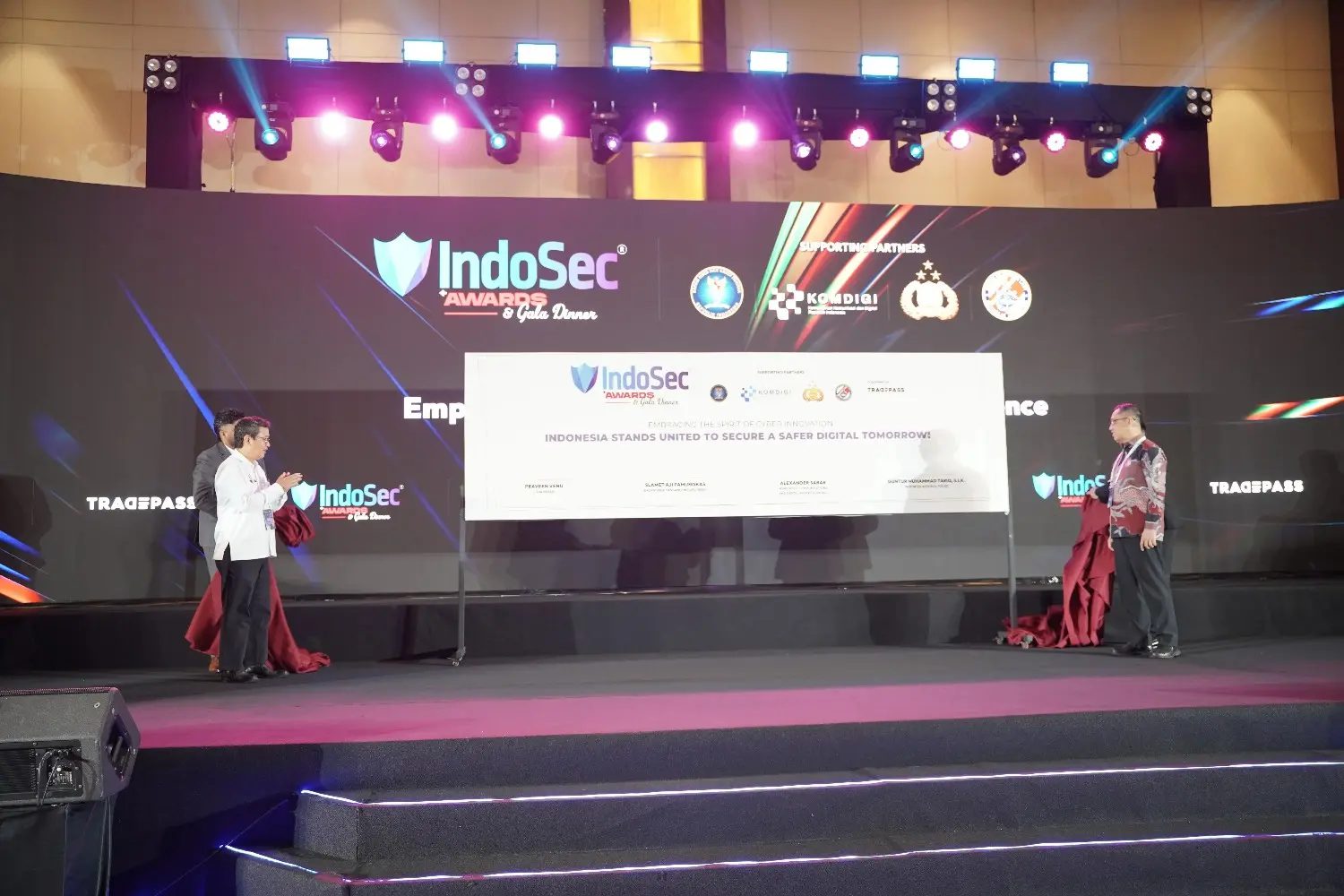
Digital transformation continues to reshape organizations across every sector, bringing greater connectivity, automation, and cloud adoption. While these advancements improve efficiency, they also introduce increasingly sophisticated cyber risks that demand proactive planning and continuous knowledge sharing. Industry collaboration has become an essential element of building stronger digital resilience across both public and private enterprises.
Technology leaders are recognizing that learning from peers is just as valuable as investing in new security platforms. Discussions led by experienced practitioners, government authorities, and enterprise decision-makers help organizations prepare for emerging threats before they become widespread. That is why cybersecurity seminars continue to play an important role in strengthening organizational readiness.
Why Collaborative Learning Matters in Cybersecurity
Threat actors continuously refine their techniques, making static security strategies less effective over time. Organizations that regularly exchange practical experiences gain valuable perspectives on defending infrastructure, managing incidents, and adapting governance frameworks to evolving risks.
Beyond technical knowledge, collaborative environments encourage stronger partnerships between regulators, enterprises, technology providers, and security professionals. These relationships help accelerate information sharing while supporting coordinated responses during large-scale cyber incidents.
Knowledge Exchange Improves Decision Making
Executive leaders benefit from understanding how other organizations approach governance, compliance, and operational resilience. Real-world experiences often provide insights that cannot be gained from documentation alone, helping teams make informed investment decisions.
Practical Case Studies Support Better Planning
Lessons drawn from actual security incidents demonstrate how organizations recover from attacks, improve response procedures, and strengthen future defenses. These examples offer valuable guidance for businesses developing long-term cybersecurity strategies.
Cross-Industry Perspectives Expand Awareness
Financial institutions, healthcare providers, government agencies, telecommunications companies, and manufacturers face different challenges. Bringing these sectors together creates opportunities to examine diverse risk scenarios and identify adaptable best practices.
Leadership Discussions Shape Future Strategies
Executive panels encourage conversations around governance, digital trust, workforce development, regulatory readiness, and technology adoption. These discussions help organizations align security initiatives with broader business objectives while preparing for future challenges.
Building Stronger Security Through Emerging Technologies
Artificial intelligence, cloud computing, automation, and advanced analytics continue to influence cybersecurity operations. Organizations increasingly integrate these technologies to improve visibility, accelerate detection, and strengthen incident response without creating unnecessary operational complexity.
At the same time, technology investments require careful planning to ensure responsible implementation. Governance frameworks, skilled professionals, and continuous monitoring remain essential components of sustainable digital protection.
Organizations frequently prioritize the following capabilities:
- Zero Trust architecture
- Cloud security governance
- Threat intelligence integration
- Identity and access management
- Security automation
- Incident response planning
- Continuous compliance monitoring
- Risk assessment frameworks
Addressing Challenges Across Critical Industries
Every industry manages unique operational priorities, yet cybersecurity remains a common responsibility. Financial institutions safeguard transactions, healthcare organizations protect patient information, manufacturers secure operational technology, while government agencies defend national digital infrastructure.
Effective protection requires collaboration between technical specialists, executive leadership, regulators, and technology partners. Coordinated planning reduces security gaps while supporting reliable digital services across increasingly connected environments.
Protecting Critical Infrastructure
Essential services depend on resilient digital systems capable of resisting cyber disruptions. Continuous monitoring, layered defenses, and coordinated response planning help reduce operational risks across infrastructure supporting daily economic activity.
Managing Cloud Expansion Responsibly
Cloud environments continue to expand across enterprise operations. Strong governance, secure configurations, encryption practices, and workload visibility help organizations maintain operational control while supporting scalability.
Workforce Development Remains Essential
Technology alone cannot eliminate cyber threats. Continuous professional education enables security teams to adapt to evolving attack techniques, changing regulations, and emerging technologies affecting modern enterprise environments.
Public and Private Collaboration Creates Stronger Outcomes
Government agencies and private enterprises increasingly cooperate on threat intelligence, policy development, and national resilience initiatives. These partnerships improve preparedness while encouraging consistent security practices across industries.
The Value of Specialized Industry Events
Dedicated industry gatherings create opportunities for professionals to engage directly with experts, technology innovators, policymakers, and enterprise leaders. Unlike general technology events, focused cybersecurity forums encourage deeper discussions around operational challenges and practical implementation strategies.
Participants gain access to expert presentations, technical demonstrations, executive discussions, and networking opportunities that support professional growth while expanding organizational knowledge.
Common benefits of attending focused industry events include:
- Learning current security strategies
- Meeting senior decision-makers
- Exploring innovative technologies
- Understanding regulatory developments
- Sharing operational experiences
- Building long-term business relationships
Preparing Organizations for Future Threats
Cybersecurity strategies must evolve alongside technological advancement. Artificial intelligence, digital identity, cloud infrastructure, and connected devices continue to transform enterprise operations while introducing new areas requiring careful oversight.
Organizations that embrace continuous improvement remain better prepared for uncertainty. Regular assessments, workforce development, technology modernization, and collaborative learning contribute to stronger resilience across every stage of digital transformation.
Creating Long-Term Cyber Resilience
Long-term success depends on integrating security into every aspect of digital operations rather than treating it as a separate function. Executive leadership, technology teams, compliance specialists, and operational stakeholders all contribute to building sustainable protection strategies.
Continuous evaluation, responsible governance, and investment in skilled professionals enable organizations to strengthen resilience while maintaining innovation. As digital ecosystems continue expanding, collaboration will remain one of the strongest tools available for reducing cyber risk and supporting trusted business operations.
Final Thoughts
Searching for the right platform to stay ahead of evolving cyber risks? Organizations seeking meaningful discussions, expert insights, and valuable industry connections can benefit from participating in the conference in Indonesia that brings together influential voices across the cybersecurity ecosystem. Positioned at the center of this opportunity, IndoSec Summit 2026 features conferences, exhibitions, awards, a dedicated CISO Lounge, solution showcases, and networking sessions alongside discussions on cloud security, Zero Trust, digital forensics, IoT security, cyber warfare, enterprise protection, and national cyber resilience. The event also connects government leaders, CISOs, technology providers, and enterprise decision-makers to support stronger collaboration and digital security initiatives across Indonesia.