Cosmetic Container Compatibility Testing: Evaluating Chemical Resistance, Leakage, and Closure Integrity
Summary
Explore cosmetic container compatibility testing for chemical resistance and integrity to avoid product failures.
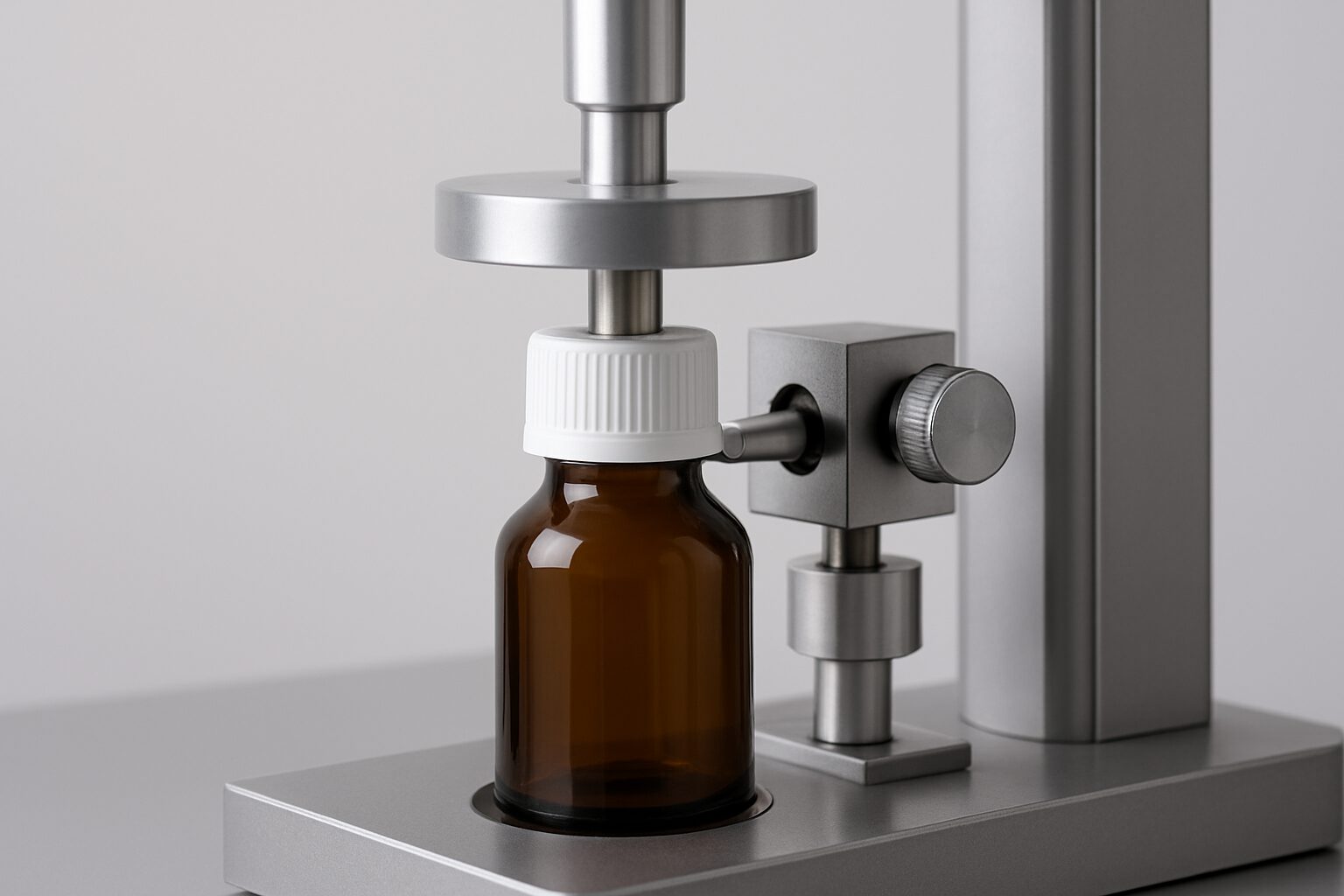
Cosmetic packaging is more than just pretty packaging on a store shelf. It helps to preserve the formula, quality of the product and ensures customers can safely use the product during the shelf life. A leaking bottle, a cap that doesn’t seal or a container that reacts with the product can cause serious issues for cosmetic manufacturers.
Packaging compatibility has become a key factor as beauty brands launch new products such as serums, creams, lotions, and liquid foundations. Various formulas react in varying ways with plastics, glass, coatings, pumps and sealing materials. Knowing about these interactions can help manufacturers choose appropriate packaging and avoid expensive product failures before the product is introduced to the market.
Why Cosmetic Container Compatibility Testing Matters
Cosmetic formulations consist of different ingredients including oils, fragrances, alcohols, surfactants, preservatives and active compounds. These ingredients can potentially have an impact on packaging materials with the passage of time, depending on the chemical characteristics. Some plastics may expand, change colour or weaken and some closures may become damaged or fail to seal properly.
Inspection of cosmetics packaging is a tool for manufacturers to discover these risks, including packaging quality, structure, labeling, and functional aspects. It can be used in conjunction with compatibility testing to give a better understanding of the ability of a container to preserve a specific formulation under anticipated storage and transport conditions. Especially important for products with long shelf lives or sensitive active ingredients.
Evaluating Chemical Resistance and Material Compatibility
Material compatibility testing is used to see if a cosmetic formulation will react adversely with the packaging material. The manufacturer normally tests the container, cap, liner, pump, gasket, and other parts that come in direct or indirect contact with the product. The goal is to identify changes that may impact packaging strength, product stability, or consumer safety.
Testing should be done with the actual formulation and conditions of use. Samples can be kept under controlled temperatures and lighting conditions for specified time periods and observations made at regular intervals. Evaluations may involve changes in color, odor, dimensions of container, strength of container material, and appearance of product formulation, depending on the product. Accelerated ageing studies can also help to identify potential issues earlier, but do not replace real time stability testing.
Leakage Testing and Closure Integrity Verification
One of the most frequent packaging failures in cosmetics is leakage. A small fault in a threaded cap, pump assembly or sealing surface can cause liquid to leak during transit. Leakage can cause damage to labels, contamination of secondary packaging, product waste and customer complaints.
There are a number of ways to evaluate closure performance:
- Inversion Testing: Containers are inverted for a specified period and tested for leakage under specified conditions.
- Pressure or Vacuum Testing: Appropriate testing methods are employed to detect seal weaknesses, according to the container design and product characteristics.
- Torque Testing: Measures the force required to open or close a threaded cap and helps to ensure consistent application.
- Pump Function Testing: Tests dispensing, priming, leakage and repeatability across multiple uses.
- Transportation Simulation: Packaged products were subjected to simulated handling, vibration or temperature conditions to determine possible failures.
The type of test to be used will depend on the packaging design, formulation and intended distribution environment. There is no one correct approach to fit all containers and manufacturers should establish acceptance criteria prior to testing.
The Role of Packaging Design in Product Protection
Packaging performance is a function of the entire packaging system, not the container itself. Even the most carefully designed bottle can fail because of the wrong bottle cap, bottle liner, pump or sealing system. Likewise, a container that works well in the lab can cause issues when it gets hot or cold, is handled repeatedly, or is shipped long distances.
Therefore manufacturers should consider packaging components in combination. Performance depends on the material, wall thickness, neck finish, closure size, and dispensing method. Consumer usability – ease of opening, controlled dispensing and secure closure after use – should also be taken into account in design verification.
Typical Cosmetic Packaging Validation Challenges
A difficulty is the diversity of cosmetic formulations. A packaging material which is suitable for a water based lotion may not be suitable for an oil rich serum or an alcohol based fragrance. Manufacturers should not presume that if a product passes testing, then another formulation will pass the test.
One of the problems is balancing the testing time with the product launch schedule. If multiple packaging designs are being considered, a comprehensive compatibility and stability evaluation is required and careful planning is necessary. Additional verification may also be necessary if there are changes in supplier or material composition or manufacturing process. Clear test records and documented acceptance criteria helps teams to better manage these changes.
Developing a Robust Packaging Quality Program
Well-designed packaging specifications are the first step in a good packaging quality program. These should include approved materials, dimensional tolerances, closure requirements, visual acceptance criteria and performance tests. These requirements should be known to the supplier prior to production to minimize the risk of the presence of inconsistent components in the manufacturing process.
Quality teams should also review the results from the inspection, investigate any recurring defects and document corrective actions. Routine batch evaluation can be supported by statistical sampling, and more intensive testing may be warranted on higher risk components. The linkage between material qualification, functional testing, production checks, and final verification can provide a more reliable packaging system.
Conclusion
Cosmetic container compatibility testing is crucial to ensure product performance, avoid leakage and to safeguard cosmetic formulations. Chemical resistance, closure integrity, material durability, and transportation risks are all evaluated to determine the weaknesses in the material before it impacts the customer. A structured approach also helps to make better packaging decisions and minimises risk of returns, waste and damage to reputation.
Packaging quality inspection is an important verification layer to verify that packaging meets specified requirements and functions as expected. With appropriate compatibility testing, documented acceptance criteria and continued supplier monitoring it can assist cosmetic brands to provide product protection from the production line to the customer’s hand.